Summer Allergies in Pets: Symptoms and Natural Relief Tips
Summer Allergies in Pets: Symptoms and Natural Relief Tips
If your dog or cat has been scratching more than usual this summer or you have noticed more sneezing or licking than normal, you are not alone. Seasonal allergies are a common issue for pets in Pequot Lakes and surrounding communities, often making the warmest months a time of discomfort for our four-legged family members. At Pequot Lakes Animal Hospital, our team of veterinarians understands how frustrating it can be to watch your pet struggle with itching, redness, or other allergy symptoms. We are committed to helping you find relief for your dog or cat using both traditional and integrative therapies, right here at our welcoming Pequot Lakes location. In this blog, we will guide you through the most common signs of summer allergies in pets, explain why these issues occur, and share natural and holistic solutions—such as acupuncture, Chinese herbs, and lifestyle changes—that can help keep your pet comfortable all season long. Whether you are new to the area or a longtime resident, our comprehensive approach to pet care ensures your companion receives the best support possible.
Recognizing Summer Allergy Symptoms in Dogs and Cats
Pet owners often notice that their dog or cat seems more uncomfortable as the weather warms up. Typical allergy symptoms in pets include persistent scratching, licking at the paws or belly, and shaking or rubbing the ears. Other signs to watch for are redness of the skin, hair loss in frequently licked areas, watery eyes, sneezing, and even patches of inflamed skin known as hot spots. Some pets develop mild coughing or reverse sneezing, particularly when pollen counts are high. In severe cases, you might observe open sores or scabs from excessive scratching.
If your pet is showing any of these behaviors, it is important to pay attention to when symptoms worsen. Many pets experience flare-ups after spending time outdoors in the grass or after a walk through wooded areas near Pequot Lakes. Dogs and cats with existing sensitivities may also react to mold spores, flea bites, or even household dust that becomes more prevalent during summer cleaning.
Why Do Pets Get Seasonal Allergies? Understanding the Causes
Just like people, dogs and cats can develop allergic reactions to substances in their environment. In the summer, common triggers include pollen from grasses, trees, and weeds, as well as mold spores and certain insects. The immune system in sensitive pets mistakes these otherwise harmless particles for threats, which leads to itching, inflammation, and other allergy symptoms.
Minnesota’s climate, with its lush greenery and humid summers, creates ideal conditions for pollen and mold growth. Pets who spend a lot of time outdoors are especially at risk, but indoor pets can also be affected if allergens are brought into the home on shoes, clothing, or through open windows. Additionally, fleas are more active in the warmer months, and even a single flea bite can cause a significant allergic reaction in some pets.
Genetic factors play a role as well. Certain breeds, like retrievers, terriers, and some short-haired cat breeds, appear more prone to developing environmental allergies. A history of allergies in a pet’s family may increase the likelihood of summer sensitivities.
Integrative Treatment Options for Pet Allergies
At Pequot Lakes Animal Hospital, we believe in a comprehensive, integrative approach to allergy care. This means combining the best of conventional veterinary medicine with holistic therapies to address both the symptoms and underlying causes of allergies.
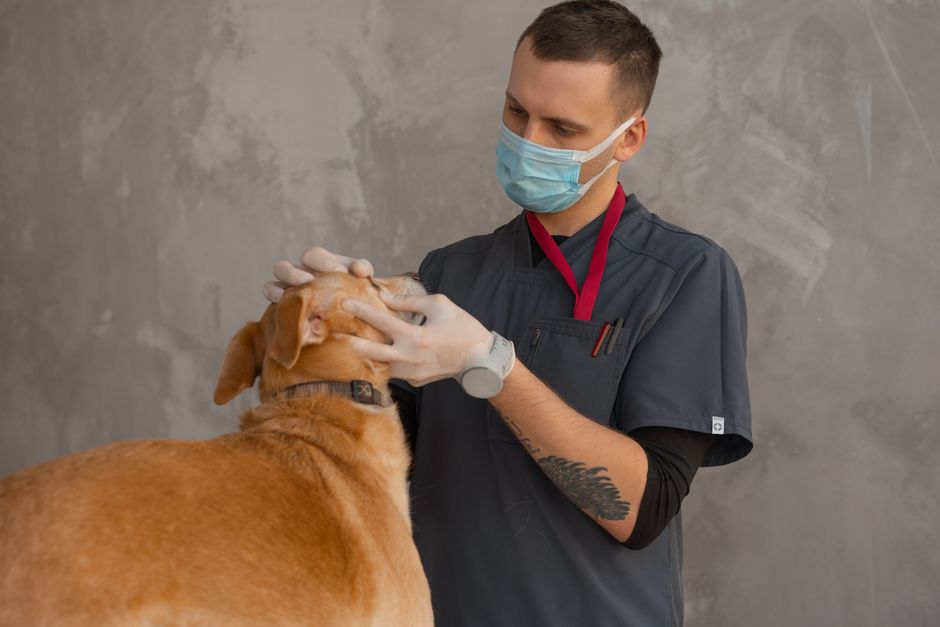
The first step is often a comprehensive physical exam to rule out other causes of itching and discomfort. Our veterinarians may recommend allergy testing to identify specific triggers, especially if your pet’s symptoms are severe or not responding to basic treatments.
Depending on your pet’s needs, integrative therapies may be recommended. Acupuncture is a valuable tool for reducing inflammation, supporting immune balance, and easing chronic itching. Many pets tolerate acupuncture well, and some even relax during their sessions. Chinese herbal medicine offers another natural option, using carefully selected plant extracts to calm allergic reactions and promote skin healing; you can learn more about these options on our page about Chinese herbal medicine for pets. For pets experiencing pain or stubborn skin issues, laser therapy may also help reduce swelling and promote tissue repair.
Of course, traditional treatments remain important for many pets. These can include oral or topical medications to control itching, medicated shampoos, and prescription diets formulated for skin health. Our veterinarians will work with you to find a combination of therapies that fits your pet’s unique needs, lifestyle, and your preferences as a pet owner.
Home Care and Prevention: How Pet Owners Can Help
There are several steps you can take at home to help minimize your pet’s exposure to allergens and keep symptoms under control. Bathing your dog or cat regularly with a gentle, veterinarian-approved shampoo can wash away pollen and other irritants; this is especially helpful after walks or playtime outdoors. Wiping your pet’s paws and belly with a damp cloth when they come inside reduces the amount of allergen tracked into your home.
Keeping your home clean and free of dust, vacuuming frequently, and washing pet bedding can further reduce exposure. Air purifiers and keeping windows closed on high-pollen days can also help. For pets with known flea allergies, maintaining year-round flea prevention is essential.
Diet can play a supporting role in skin health; some pets benefit from omega-3 fatty acid supplements, which may help reduce inflammation. Always discuss any dietary changes or supplements with your veterinarian to ensure safety and proper dosing.
If you are interested in integrative options, discuss the possibility of acupuncture or herbal support during your pet’s next visit. These therapies can be used alongside conventional treatments or as part of a long-term wellness plan to help prevent future flare-ups.
When to Seek Veterinary Care for Your Pet’s Allergies
While mild seasonal itchiness can sometimes be managed at home, certain signs mean it is time to schedule an appointment with your veterinary team. Seek veterinary care if your pet has persistent scratching that leads to bald spots or open sores, if you notice red or swollen skin, or if there are signs of secondary infection such as oozing, foul odor, or increased warmth in affected areas. Frequent ear infections, changes in appetite, or lethargy should also prompt an evaluation.
Allergy symptoms that do not improve with home care, or that seem to get worse over time, deserve a professional assessment. Early intervention can help prevent complications and provide faster relief for your pet. Our veterinarians at Pequot Lakes Animal Hospital are trained in both conventional and integrative therapies, allowing us to create tailored treatment plans for each patient.
If you are unsure whether your pet’s symptoms require a visit, do not hesitate to call our team for advice. We are here to support you every step of the way and can help determine whether an in-person examination is needed.
Helping Your Pet Enjoy a Comfortable Summer in Pequot Lakes
Watching your dog or cat struggle with summer allergies is never easy, but with the right support and care, most pets can enjoy the season with minimal discomfort. By staying alert to common symptoms, taking preventive steps at home, and working with a veterinary team skilled in both traditional and holistic therapies, you can help your pet thrive. Pequot Lakes Animal Hospital is proud to serve pet owners in Pequot Lakes and surrounding communities, providing advanced care and genuine compassion for every patient.
If you are searching for a veterinarian near me who offers natural and integrative relief for pet allergies, our team is ready to help. Schedule an appointment with our veterinarians to discuss your pet’s symptoms, explore options like acupuncture for pets, and create a plan that supports your companion’s wellbeing. Call us at (218) 568-5095 or visit us at our convenient location to get started. Together, we can help your pet enjoy a happier, healthier summer.
This blog is intended for informational purposes only and does not replace professional veterinary care. If your pet is experiencing severe or sudden symptoms, please contact your veterinarian as soon as possible.