How Ramps Help Cats With Joint Pain: What Vets Recommend
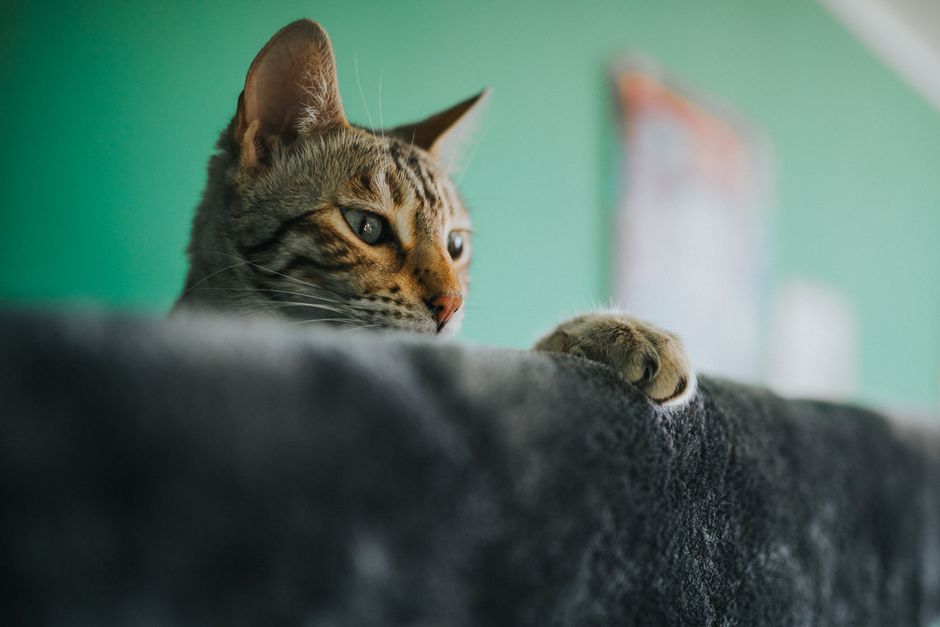
How Ramps Help Cats With Joint Pain: What Vets Recommend
If your cat is struggling to jump onto their favorite perch or seems hesitant to climb the stairs, you are not alone. Joint pain in cats can make everyday activities challenging, but small changes at home can make a big difference. What would a veterinarian want a pet owner to understand about using ramps or steps for a cat with joint pain? At Pequot Lakes Animal Hospital, our team of veterinarians in Pequot Lakes, MN helps pet owners throughout the area support their cats' comfort and mobility with both advanced veterinary care and practical, everyday solutions. In this article, we will explore why ramps and steps are recommended for cats with arthritis or joint discomfort, how to choose the right options for your home, and how integrative veterinary care can further enhance your cat’s quality of life.
Recognizing Joint Pain in Cats: When Should You Consider Ramps or Steps?
Many pet owners are surprised to learn that cats are masters at hiding pain. However, subtle changes in your cat’s behavior or movement may signal that joint pain is affecting their daily life. What would a veterinarian want a pet owner to understand about using ramps or steps for a cat with joint pain? The key is to watch for early signs that your cat is struggling. Cats with joint discomfort may begin to avoid jumping onto beds, counters, or windowsills. You might notice your cat hesitating before making a jump, taking longer to settle into their favorite spot, or choosing lower locations for rest. Some cats become less active overall, spend more time sleeping, or may even miss the litter box if it becomes difficult to enter. Grooming habits can change as well, since reaching certain areas can be painful. If your cat displays any of these symptoms, it may be time to consider accessibility aids like ramps or steps to help them navigate your home more comfortably.
Why Do Cats Develop Joint Pain? Understanding the Causes
Joint pain in cats is most commonly caused by osteoarthritis, a degenerative condition that affects the cartilage and joints over time. This is especially common in older cats, but overweight cats and those with a history of injury may also be at increased risk. Arthritis can lead to inflammation, stiffness, and chronic pain, making movements like climbing, jumping, and even walking difficult. In some cases, other conditions such as hip dysplasia, previous fractures, or congenital issues can contribute to joint problems. Cold weather, like the kind we often experience in Pequot Lakes and the surrounding communities, can also make symptoms feel worse for many cats. Understanding the underlying causes of joint pain helps pet owners work with their veterinary team to develop a long-term management plan that keeps cats comfortable and mobile.
Veterinary Approaches to Managing Joint Pain in Cats
Treating joint pain in cats is most effective when it is tailored to the individual animal. At Pequot Lakes Animal Hospital, our integrative approach combines conventional and holistic therapies to address both the pain and the underlying causes. Veterinary management of feline arthritis often starts with a comprehensive physical exam to assess your cat’s mobility, joint health, and overall well-being. Depending on your cat’s needs, treatment options may include prescription medications, joint supplements, weight management, and advanced therapies such as laser therapy or acupuncture.
For cats experiencing chronic discomfort, laser therapy can help reduce inflammation and promote healing within affected joints. Many cat owners also choose to explore acupuncture as a gentle, non-invasive way to manage pain and improve mobility. In addition, our veterinarians may recommend Chinese herbs as part of an integrative plan to support comfort and quality of life. For some cats, regular chiropractic care or regenerative therapies like prolotherapy may also be beneficial, depending on their specific diagnosis.
How Ramps and Steps Can Improve Your Cat’s Quality of Life
A key aspect of what would a veterinarian want a pet owner to understand about using ramps or steps for a cat with joint pain is that these simple home modifications can greatly increase your cat’s independence and comfort. Ramps and steps provide an easy, low-impact way for cats to access their favorite spots without the need to jump or climb. For example, placing a sturdy ramp next to your bed or sofa allows your cat to join you without aggravating their joints. Steps can be positioned by windowsills, cat trees, or other elevated areas your cat enjoys. For litter boxes with high sides, a gentle ramp or a series of shallow steps can make entry and exit much easier for cats with limited mobility.
When choosing ramps or steps, look for those with a gentle incline, non-slip surfaces, and stable construction. These features help ensure your cat feels secure using them. Some pet owners find that carpeted or textured surfaces provide better traction, especially for senior cats. The goal is to reduce the strain on your cat’s joints while maintaining their ability to explore, play, and rest comfortably throughout your home.
Integrating Ramps and Steps With At-Home Care
Making your home more accessible is only one part of a comprehensive approach to managing feline joint pain. In addition to ramps and steps, pet owners can support their cat’s mobility with a few other adjustments. Keeping food and water bowls at a comfortable height, ensuring litter boxes are easily accessible, and providing soft, warm bedding can all make daily life easier for cats with arthritis. Maintaining a healthy weight is critical, as even a few extra pounds can put additional strain on sore joints.
Regular gentle play sessions and interactive toys can encourage movement without overexertion. Some cats benefit from heated beds or resting places away from cold drafts, especially during chilly Minnesota winters. It is also important to maintain consistent routines, as changes in environment or activity can be stressful for cats with chronic pain.
When Should You Contact Your Veterinarian?
While ramps and steps are helpful tools, they are not a substitute for veterinary care. If your cat is showing signs of joint pain, it is essential to schedule an appointment with your veterinary team. Sudden changes in mobility, severe limping, vocalizing in pain, or withdrawal from normal activities should be evaluated promptly. During a senior comprehensive exam, our veterinarians can assess your cat’s joint health, discuss home modifications, and recommend a tailored treatment plan. Ongoing communication with your veterinary team ensures that your cat receives the right combination of medical, integrative, and environmental support as their needs change.
For pet owners who are not sure when to seek help, a good rule of thumb is to reach out if your cat’s behavior or mobility changes noticeably, or if you are unsure whether your current home setup is meeting their needs. Early intervention can slow the progression of arthritis and help maintain your cat’s independence for years to come.
What Would a Veterinarian Want a Pet Owner to Understand About Using Ramps or Steps for a Cat With Joint Pain?
Ultimately, what would a veterinarian want a pet owner to understand about using ramps or steps for a cat with joint pain? The answer is that these accessibility aids, when chosen and placed thoughtfully, can significantly enhance your cat’s ability to enjoy life at home. Ramps and steps are not a sign of giving up, but rather a way to empower your cat to continue doing the things they love. When paired with veterinary-recommended therapies such as laser therapy or acupuncture, and supported by regular communication with your veterinary team, you are giving your cat the best chance at a comfortable, active life.
Supporting Your Cat’s Mobility in Pequot Lakes and Beyond
If you have noticed that your cat is having trouble with stairs, beds, or litter boxes, the team of veterinarians at Pequot Lakes Animal Hospital is here to help. We are committed to partnering with pet owners to find practical, compassionate solutions for joint pain, including advice on ramps, steps, and integrative therapies. When you are searching for a veterinarian near me who truly cares about your cat’s comfort and quality of life, consider scheduling an appointment at our Pequot Lakes location.
For more information on managing feline joint pain, or to discuss what would a veterinarian want a pet owner to understand about using ramps or steps for a cat with joint pain, please contact our veterinary professionals. You can reach Pequot Lakes Animal Hospital at (218) 568-5095 to schedule your appointment or ask questions about our integrative care options. Let us help you create a home environment where your cat can thrive—no matter their age or mobility level.
Medical Disclaimer: This blog is for educational purposes only and does not replace professional veterinary advice. Always consult your veterinarian regarding your cat’s specific health needs.