Early Signs of Dental Disease in Dogs and Cats

Early Signs of Dental Disease in Dogs and Cats
A healthy mouth is a cornerstone of your pet’s overall well-being, but dental disease is one of the most common and underdiagnosed health problems seen in dogs and cats. As a caring pet owner in Pequot Lakes and surrounding communities, you want your pet to be comfortable, happy, and free from pain. That is why recognizing the early signs of dental disease is so important. At Pequot Lakes Animal Hospital, our team of veterinarians is passionate about providing comprehensive dental care—from preventive checkups to advanced treatments—right here at 30286 Rasmussen Rd, Pequot Lakes, MN 56472. In this guide, we will help you spot the first subtle changes that signal dental disease in your dog or cat, explain why these issues develop, and share practical steps to protect your pet’s oral health all year long.
Whether you are concerned about bad breath, changes in eating habits, or simply want to learn how to keep your pet’s teeth sparkling, our veterinary team is here to guide you. We will also highlight how our integrative approach—including professional pet teeth cleaning and preventive care for gingivitis—can help your pet thrive. Read on to discover how you can take action to prevent discomfort, pain, and more serious health complications for your beloved companion.
Recognizing the First Signs of Dental Disease in Pets
Dental disease often begins silently, with many pets showing only subtle symptoms at first. Early detection makes a world of difference, so knowing what to watch for at home is essential. In the beginning, you might notice that your dog or cat has persistent bad breath that does not improve with dental treats or diet changes. This common warning sign is often the first clue that bacteria and plaque are building up in your pet’s mouth.
As dental disease progresses, other early symptoms include red or swollen gums, slight bleeding when your pet chews on toys, and a visible yellow or brown buildup on the teeth near the gumline. You might observe your pet pawing at their face, hesitating to eat crunchy food, or dropping kibble while eating. Some pets become sensitive when you touch their mouth or muzzle, while others may shy away from having their teeth brushed.
Behavioral changes can also be telling. Pets experiencing discomfort from dental disease may become less playful, sleep more, or seem irritable. Cats in particular are experts at hiding pain; a decrease in grooming or a sudden preference for soft food are subtle but important signs. If you notice any combination of these symptoms, your pet could be facing the early stages of dental disease.
Understanding Why Dental Disease Happens
Dental disease in dogs and cats is usually a progressive problem, starting with the accumulation of plaque—a sticky film of bacteria—on the teeth. If not removed by regular brushing or professional cleaning, plaque hardens into tartar, trapping more bacteria against the gums. Over time, this leads to gingivitis, which is inflammation and infection of the gum tissue.
Several factors contribute to the risk of dental disease. Genetics can play a role; some breeds, such as small dogs and certain cats, are more prone to periodontal problems due to mouth shape or crowded teeth. Diet also matters; pets that eat mostly soft food or table scraps may develop plaque more quickly without the abrasive action provided by kibble or dental chews.
Poor home dental care is another major risk factor. If brushing your pet’s teeth is not part of your routine, bacteria will have more opportunity to colonize the mouth. Age is another consideration; as pets get older, they are more likely to develop dental disease, especially if preventive care has been inconsistent.
Left unchecked, dental disease does not stay confined to the mouth. Bacteria from infected gums and teeth can enter the bloodstream, potentially affecting the heart, liver, and kidneys. This makes prompt attention and a proactive approach critical to your pet’s long-term health.
Professional Treatment Options for Pet Dental Disease
When early signs of dental disease are present, professional intervention is the best way to restore and maintain your pet’s oral health. At Pequot Lakes Animal Hospital, our veterinarians tailor treatment plans to your pet’s unique needs, whether they are in the early stages of gingivitis or have more advanced dental concerns.
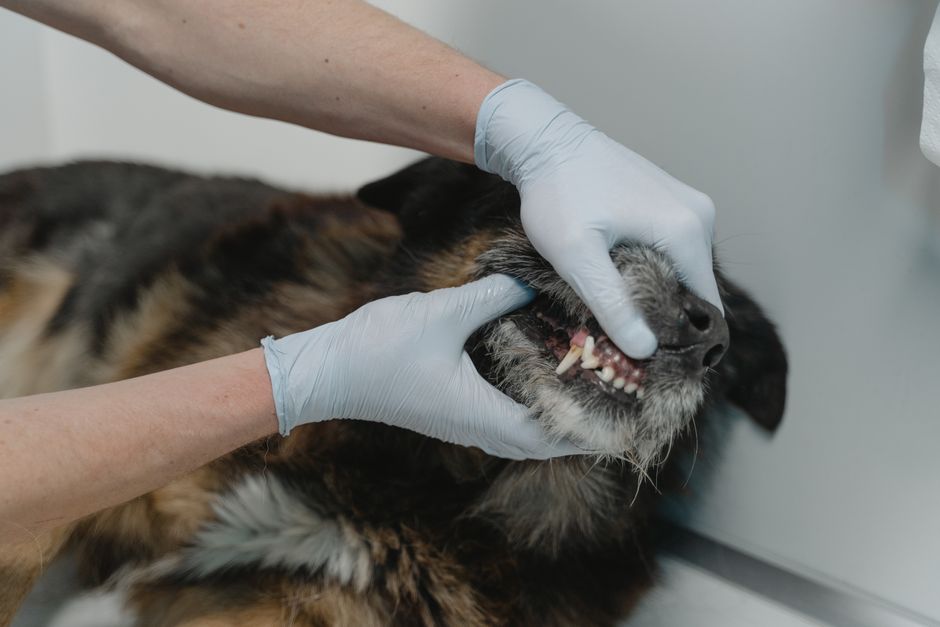
A comprehensive dental evaluation typically begins with a physical examination, followed by a thorough oral assessment under anesthesia. This allows us to carefully inspect each tooth, assess gum health, and look for hidden issues that cannot be seen in an awake exam. For many pets, dental radiographs are recommended to check for problems below the gumline, such as root infections or bone loss.
Treatment options vary depending on the severity of dental disease. In cases of early gingivitis, a professional pet teeth cleaning and preventive care for gingivitis can remove plaque and tartar above and below the gumline, stopping disease progression. For advanced cases involving damaged or infected teeth, our team may recommend pet dental extraction services for diseased, damaged, or painful teeth to relieve pain and prevent further complications.
During every dental procedure, we prioritize your pet’s safety and comfort, using advanced monitoring and gentle techniques. Our integrative approach also means we may recommend supportive therapies, such as laser treatments for pain relief or herbal supplements to promote healing. After treatment, we provide clear instructions to help you care for your pet’s mouth at home and schedule follow-up visits to monitor progress.
Preventive Home Care: Keeping Your Pet’s Mouth Healthy
Prevention is the foundation of good dental health for pets. Consistent home care, combined with regular professional evaluations, helps stop dental disease before it starts. Brushing your pet’s teeth daily is the gold standard, but even brushing a few times a week can make a meaningful difference. Use a pet-safe toothpaste and a soft-bristled toothbrush, introducing the process gradually so your pet feels comfortable.
For pets that are not comfortable with brushing, there are alternatives that can help reduce plaque. Dental diets, chews, and water additives designed for oral health can be useful tools. Always choose products approved by the Veterinary Oral Health Council (VOHC) or recommended by your veterinarian, as some over-the-counter products offer little benefit.
Pay attention to your pet’s eating habits and inspect their mouth regularly. Look for red or swollen gums, tartar buildup, or broken teeth. If you notice any changes, do not wait—early intervention can prevent discomfort and more serious complications. Annual wellness visits are an ideal opportunity to have your pet’s mouth checked by our veterinary professionals, but some pets benefit from more frequent assessments, especially as they age.
If you are unsure how to begin a home dental care routine, our team is happy to provide demonstrations and product recommendations tailored to your pet’s needs. Remember, preventive care is much easier and less costly than treating advanced dental disease.
When to Schedule a Dental Checkup With Your Veterinarian
Knowing when to seek professional care is essential for your pet’s health and comfort. Certain signs indicate that a dental checkup should not be delayed. If your pet has persistent bad breath, visible tartar, red or bleeding gums, loose or broken teeth, or seems reluctant to eat, it is time to schedule an appointment. Drooling, pawing at the mouth, or swelling of the face also warrant prompt veterinary attention.
Even if your pet is not showing obvious symptoms, yearly dental evaluations are recommended for all dogs and cats. Some pets, including those with a history of dental disease or breeds prone to oral health problems, may need more frequent monitoring. Professional dental radiographs to evaluate pets’ teeth and identify problems below the gumline can reveal hidden issues that cannot be seen during a regular exam.
If you have questions about your pet’s oral health or would like guidance on starting a home care routine, our veterinarians are here to help. Timely action can prevent pain, preserve teeth, and support your pet’s overall well-being.
Supporting Your Pet’s Dental Health With Integrative Veterinary Care
At Pequot Lakes Animal Hospital, our approach to dental care is truly comprehensive. In addition to standard dental cleanings and extractions, we offer integrative therapies that support healing and comfort. Laser therapy can reduce inflammation and pain after dental procedures, while acupuncture and herbal options may help pets with chronic oral discomfort or slow-healing tissues.
Our veterinary team is committed to educating pet owners about the importance of dental health and empowering you with the tools needed for success. We provide individualized recommendations based on your pet’s age, breed, lifestyle, and medical history, ensuring that every aspect of your companion’s care is addressed with compassion and expertise.
Whether you are seeking preventive advice or your pet needs advanced treatment, you will find a supportive partner in our veterinary professionals. Our goal is to help your dog or cat enjoy a pain-free, healthy mouth and a happier, more active life.
Take Action for Your Pet’s Oral Health Today
Protecting your pet from dental disease starts with awareness and proactive care. By recognizing the early signs—such as bad breath, red gums, and changes in eating habits—and taking advantage of preventive home care, you can make a significant difference in your dog or cat’s comfort and quality of life. Remember, untreated dental disease can lead to pain and even affect your pet’s heart, liver, or kidneys, so timely attention is vital.
If you notice any symptoms of dental disease or want to schedule a preventive checkup, our team at Pequot Lakes Animal Hospital is here to help. Conveniently located at 30286 Rasmussen Rd, Pequot Lakes, MN 56472, we serve Pequot Lakes and neighboring areas with warmth, expertise, and a full range of dental services for your pets. To book your pet’s dental evaluation or learn more about professional pet teeth cleaning and preventive care for gingivitis, call us at (218) 568-5095. When searching for a veterinarian near me, you can trust our veterinary team to deliver compassionate, advanced care to your beloved companion.
Your pet’s comfort and well-being matter to us. Let us help you ensure a lifetime of healthy smiles—schedule your visit today.
This article is intended for educational purposes only and should not be used as a substitute for professional veterinary advice. If you have concerns about your pet’s health, please contact your veterinarian.